Specialized Walls

Wallcoverings

Seam‑sealed vinyl wallcoverings and impact‑resistant panels for healthcare, education & food‑service back‑of‑house. B2B supply & installation with specs.

1.5–2.5 mm
Sheet thickness
2.0 m
Roll width
B‑s2,d0
Fire class
Wallcoverings
B‑s2,d0HygienicImpact‑resistant
Wall Systems
Healthcare·Food Processing·High‑traffic

Why Hygienic Wallcoverings

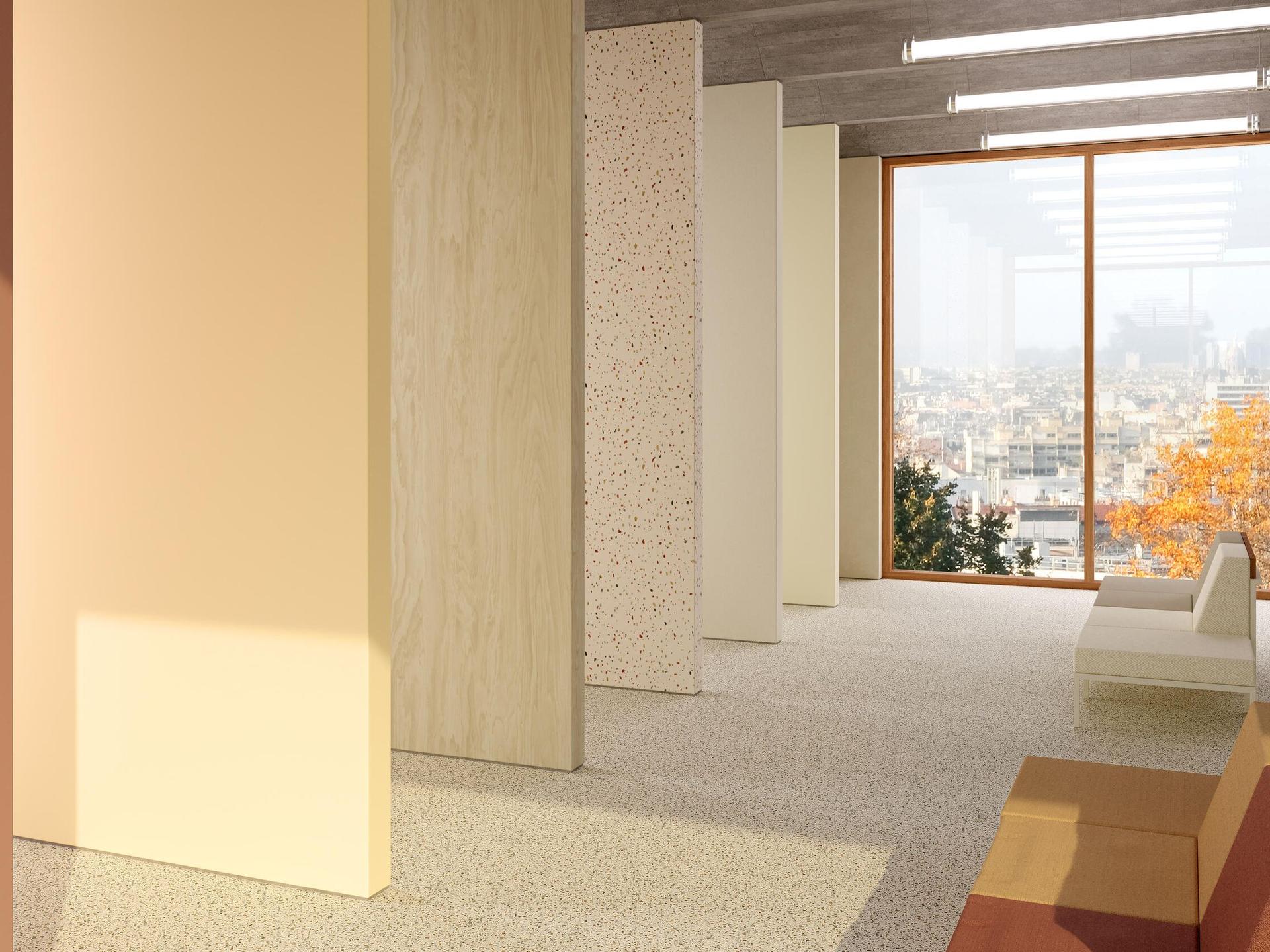
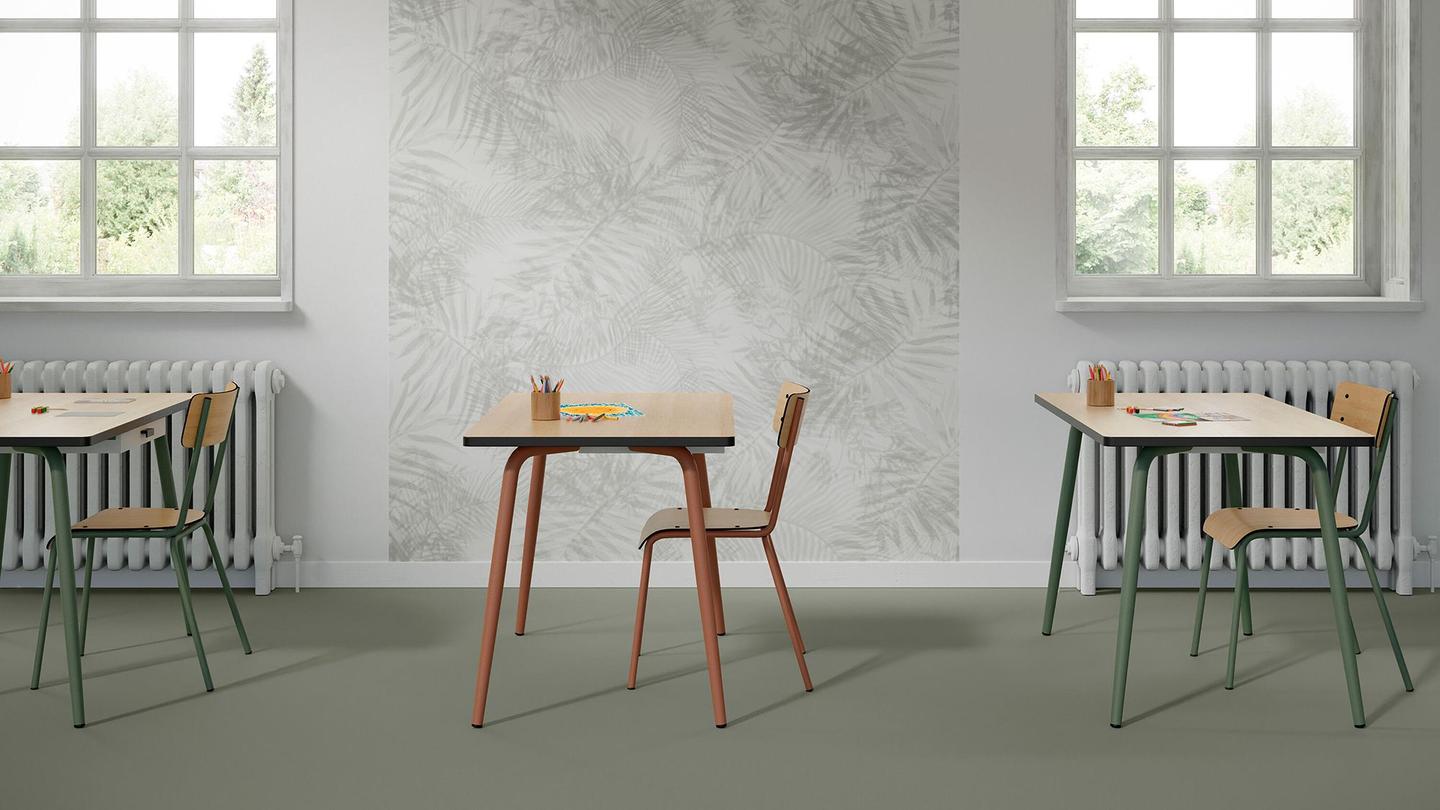
Vinyl wallcoverings and impact‑resistant panels create wash‑down, hygienic and durable wall surfaces with sealed joints. They are ideal for healthcare corridors and bathrooms, education, food‑service back‑of‑house, laboratories, wetrooms and public amenities. We supply materials — installation is by your appointed wall cladding contractor per system manuals and local code.

Hygienic envelope

Sealed joints and coved junctions reduce dirt traps vs paint/tiles.

Impact resistance

Tough surfaces withstand carts, trolleys and daily cleaning.

Water & stain resistance

Suited to wetrooms, bathrooms and food prep areas.

Low VOC

Supports healthy interiors; documentation available for submittals.

Aesthetics & compliance

Matte, low‑glare finishes with colour/contrast options for wayfinding and accessibility.

Materials supply

B2B supply to distributors, contractors, developers, architects and FM.

System Options

Four complementary system families — combine as needed to build a continuous hygienic envelope from floor to wall.

Homogeneous Vinyl Wall Sheets

  • Best for: healthcare corridors, wetrooms, labs, clean zones.
  • Pros: thermoformable, hot‑air welded or chemically sealed joints.
  • Notes: smooth, non‑porous surface with matte low‑glare finish.

Rigid PVC/Composite Panels

  • Best for: high‑impact zones (kitchens, back‑of‑house, loading areas).
  • Pros: impact‑resistant panels with sealed trims.
  • Notes: specify with protection rails for trolley traffic.

Corner Guards & Protection Profiles

  • Best for: corridors, door reveals, high‑traffic edges.
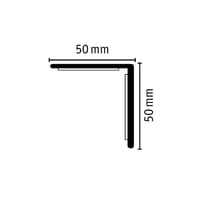
  • Pros: external/internal corners, crash rails and bumper rails.
  • Notes: match profile colour to wallcovering for visual continuity.

Integration with Floors

  • Best for: wash‑down zones requiring a sealed envelope.
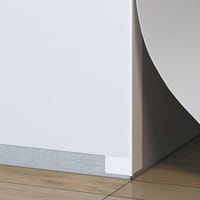
  • Pros: connects to coved skirtings on vinyl/linoleum/safety floors.
  • Notes: delivers a continuous envelope from floor to wall.

Technical & Compliance (Essentials)

Rule of thumb: confirm exact values and installation details for your jurisdiction and selected line.

  • Fire performance

    B‑s2,d0 (typical for walls; verify DoP/test per SKU)

  • Hygiene

    Sealed joints (welded/chemically sealed); smooth, non‑porous

  • Chemical resistance

    Compatible with disinfectants/cleaners (see datasheet)

  • Thickness

    1.5–2.5 mm sheet; thicker for rigid/impact panels

  • Impact

    Options with enhanced impact layers and protection rails

  • Wetrooms

    Compatible with wetroom floors; use preformed corners and trims

  • VOC / IAQ

    Low VOC; EPD/LCA on request

Wallcoverings vs Tiles vs Paint

Quick comparison — when hygiene, impact and wash‑down performance are part of the brief, sealed vinyl wall systems materially outperform painted plasterboard and reduce ongoing grout maintenance vs tiles.

Criterion

Vinyl Wallcoverings

Ceramic/Porcelain Tiles

Painted Plasterboard

Design & Detailing Notes

  • Corners & joints

    Specify preformed internal/external corners and sealed trims; avoid exposed edges.

  • Coving & skirtings

    Continue coved skirtings from floors to walls for wash‑down zones.

  • Penetrations

    Seal around handrails, rails, fixtures with compatible sealants/flanges.

  • Colour strategy

    Select LRV‑contrasting colours for wayfinding and accessibility.

  • Protection rails

    Add crash/buffer rails where trolleys circulate (healthcare/education corridors).

Integration with Wetroom Systems

Hygienic wallcoverings are most effective when specified as part of a coordinated floor + wall + drainage envelope.

  • Wetroom vinyl floors

    Pair with wetroom vinyl floors using welded seams and drain kits for complete waterproofing in showers and changing areas.

  • Preformed corners

    Use preformed corners and upstands behind sanitaryware to maintain continuity.

  • Compatible trims

    Specify manufacturer‑approved trims, cover strips and termination profiles matched to sheet thickness.

  • Sealant compatibility

    Use only sealants listed by the manufacturer to avoid bleed, discolouration or bond failure.

Logistics & B2B Supply

Materials supply with optional [professional installation](/flooring-installation/). Or use your own contractor/installer.

Order sizes:

Full wall kits (sheets/panels + trims + corners) or components.

Lead times:

Stock vs made‑to‑order colours/sheet thickness.

Docs:

Datasheets, DoP/DoC, fire tests, chemical resistance, EPD/LCA.

Samples:

Sheet chips, texture panels, protection rail samples.

Support:

Spec wording, detail drawings, maintenance guides.

FAQ

Here you'll find answers to the most common questions about wallcoverings. If you don't see what you need, contact our team for project‑specific guidance.

01

Can wallcoverings replace tiles in showers?

+

Yes — sealed vinyl wallcoverings can be used in showers when paired with wetroom vinyl floors and compatible drains/corners.

02

Are they resistant to hospital disinfectants?

+

Specify lines with chemical‑resistance data; follow the cleaning guide to maintain warranty.

03

How are joints sealed?

+

By hot‑air welding or chemical welding using manufacturer‑approved rods/products and trims.

04

Do you install?

+

We focus on materials supply, but we also offer professional flooring installation. Alternatively, use your own appointed contractor.
Ready to specify Wallcoverings?

  • Request Specs & Commercial Offer (sheet/panel type, thickness, colour, area m², wetroom integration, timeline).
  • Order Samples (sheet chips, texture panels, corner/trim samples).
Ready to specify Wallcoverings?

Products in this category