Transportation

Transportation

Lightweight, slip‑resistant transport flooring and stair systems for bus/rail/metro with FST compliance. B2B supply & installation with specs & samples.

2.0–3.0 mm
Thickness
EN 45545
FST (rail)
R10–R11
Slip / HL
Transportation
EN 45545R10–R11Lightweight
Transport Flooring
Bus · Rail·Metro · Tram·Coach

Overview

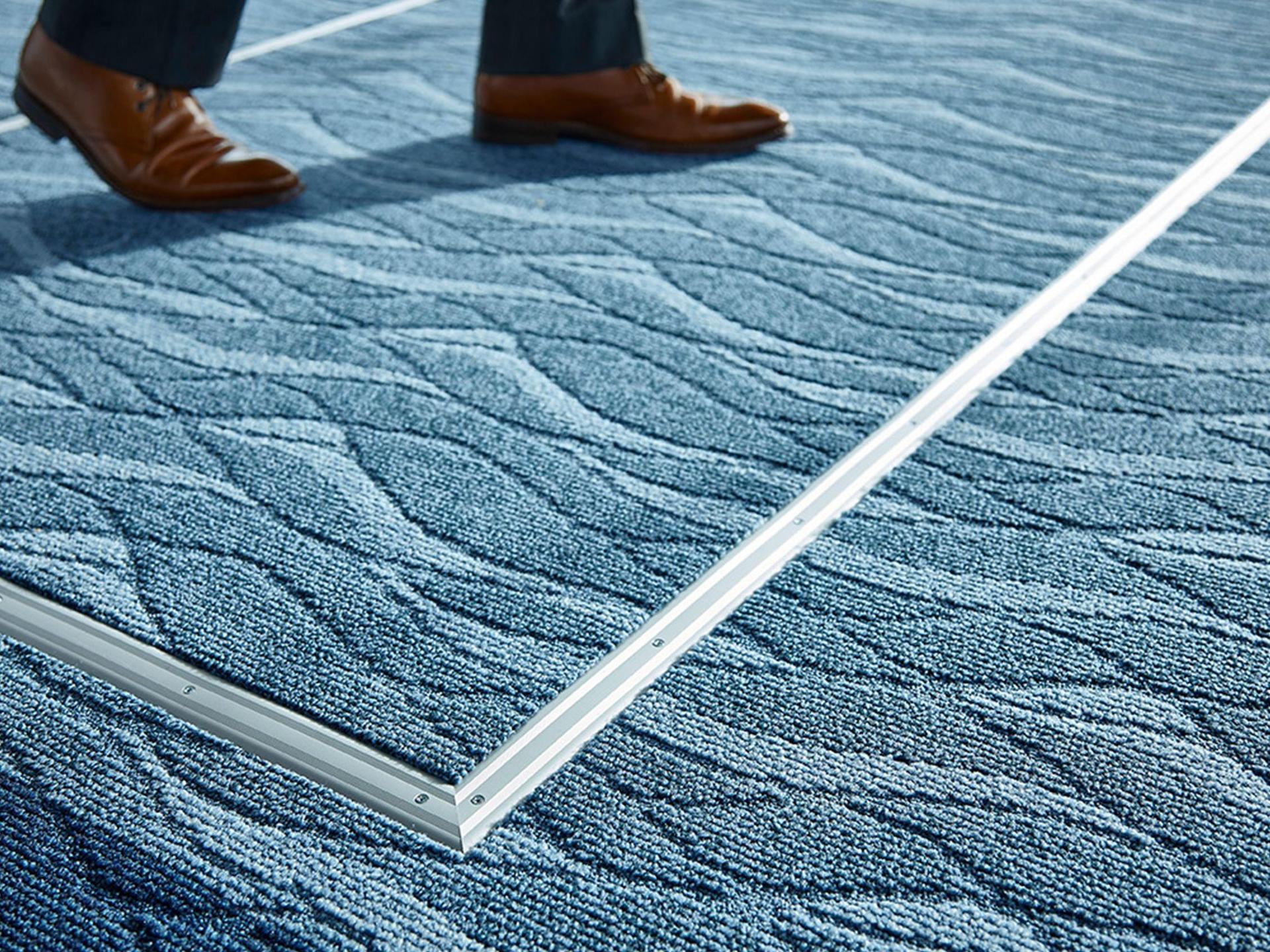
Transportation flooring includes lightweight, slip‑resistant resilient sheets and stair systems engineered for buses, coaches, railcars and metro. Key drivers are fire‑smoke‑toxicity (FST) compliance, weight reduction, durability, and easy cleaning in high‑frequency service. We supply materials for OEMs, refurbishers and fleet operators — installation is by your appointed vehicle builder or refurbishment contractor per transport standards and approvals.

FST compliance

Products engineered to meet fire, smoke and toxicity requirements for rolling stock and buses.

Lightweight & stable

Optimized g/m² and dimensional stability across wide in‑service temperatures.

Boarding safety

Transport‑grade textures and stair inserts with high‑contrast nosings for safe boarding.

Durability

Resistance to abrasion, soiling, heels and wheeled loads in high‑frequency service.

Cleanability

Smooth, sealed surfaces with low OPEX cleaning protocols and disinfectant compatibility.

Design & branding

Colourways, wayfinding contrasts, tactile strips and logo inlays (project‑dependent).

Where It's Used

Transport flooring spans three mode families and several on‑board zones — each with its own wear profile and compliance matrix.

Urban buses & BRT

  • Fleet types: city buses, BRT, coaches, shuttles.
  • Focus: lightweight decks, slip textures at doors, easy‑clean surfaces for high boarding frequency.

Rail & metro

  • Rolling stock: commuter, regional, intercity, metro, tram/light rail.
  • Focus: EN 45545 FST sets (R10/R11 with HL levels), OEM approvals, long‑life durability.

On‑board areas

  • Zones: passenger aisles, seating bays, vestibules, driver cabs.
  • Details: stairs/steps and platform interfaces with high‑contrast nosings and tactile strips.

Technical & Compliance

Always confirm the applicable standard and performance level for your vehicle class and operating region. Provide the vehicle builder's approval matrix at spec stage.

  • Fire / smoke / toxicity

    Rail: e.g., EN 45545 (R10/R11 sets, HL levels); Bus/Coach: local FST tests (spec‑dependent).

  • Slip resistance

    Transport emboss textures; dedicated inserts for stairs and thresholds.

  • Weight

    Optimized mass per m² for fuel and energy efficiency of the vehicle.

  • Thickness

    2.0–3.0 mm sheet (line‑dependent) for main decks.

  • Formats

    Sheets for main decks; moulded/trim parts and stair treads for edges.

  • Adhesives

    Transport‑approved systems; temperature‑ and chemical‑resistant.

  • Temperature range

    Stability across wide in‑service temperatures and climate zones.

  • VOC / odour

    Low‑VOC; interior air quality considerations for enclosed cabins.

Transportation vs Standard Interior Vinyl

Rule of thumb: transport flooring is approval‑driven and weight‑optimized — building‑code vinyl is not a substitute for rolling stock or buses.

Criterion

Transport Flooring

Standard Interior Vinyl

Design & Detailing Notes

  • Stairs & edges

    Integrate Stairs solution — treads, risers, nosings and high‑contrast inserts per accessibility codes.

  • Thresholds & doors

    Add tactile strips and contrast bands at doorways and vestibules.

  • Seams & welds

    Plan heat‑welded seams and sealed edges to resist ingress of fluids and grit.

  • Subfloor & adhesives

    Use transport‑approved adhesives and primers; respect temperature and curing windows.

  • Maintenance

    Define detergent/disinfectant compatibility; avoid polish layers that may reduce slip.

  • Branding

    Specify logo inlays and colour zoning for routes, classes or operator livery.

Logistics & B2B Supply

Materials supply with optional [professional installation](/flooring-installation/). Or use your own vehicle builder or refurbishment contractor.

Order sizes:

Rolls, stair treads/nosings, trims; OEM sets for car builds.

Lead times:

Stock colours vs custom cut kits for vehicle models.

Docs:

Datasheets, FST test reports, OEM approvals, DoC, EPD on request.

Samples:

Texture chips, stair insert samples.

Support:

Spec text, cutting lists, maintenance guides.

FAQ

Here you'll find answers to the most common questions about transportation flooring. If you don't see what you need, contact our team for project‑specific guidance on FST standards and OEM approvals.

01

Which FST standard should we reference for rail projects?

+

Typically EN 45545 (e.g., R10/R11 sets with HL levels). Provide your operator/OEM matrix to align requirements.

02

Can we supply pre‑cut kits?

+

Yes — custom cut kits and stair sets can be prepared to speed assembly (project‑dependent).

03

How do we ensure boarding safety on stairs?

+

Use stair treads with anti‑slip inserts and high‑contrast nosings; coordinate with Stairs solution.

04

Is the material compatible with disinfectants used in public transport?

+

Yes — choose lines with chemical resistance data and follow cleaning guides.

05

Do you install?

+

We focus on materials supply, but we also offer professional flooring installation. Alternatively, use your own appointed contractor.

Ready to specify Transportation flooring?

  • Request Specs & Commercial Offer (vehicle type, FST standard/level, thickness, colour, area m², stair sets).
  • Order Samples (deck sheet + stair inserts).
Ready to specify Transportation flooring?

Products in this category