Acoustic Floors
Resilient acoustic floors with 14–19 dB+ impact sound reduction. PVC & non‑PVC options, glue‑down/click systems. B2B supply & installation with specs & samples.
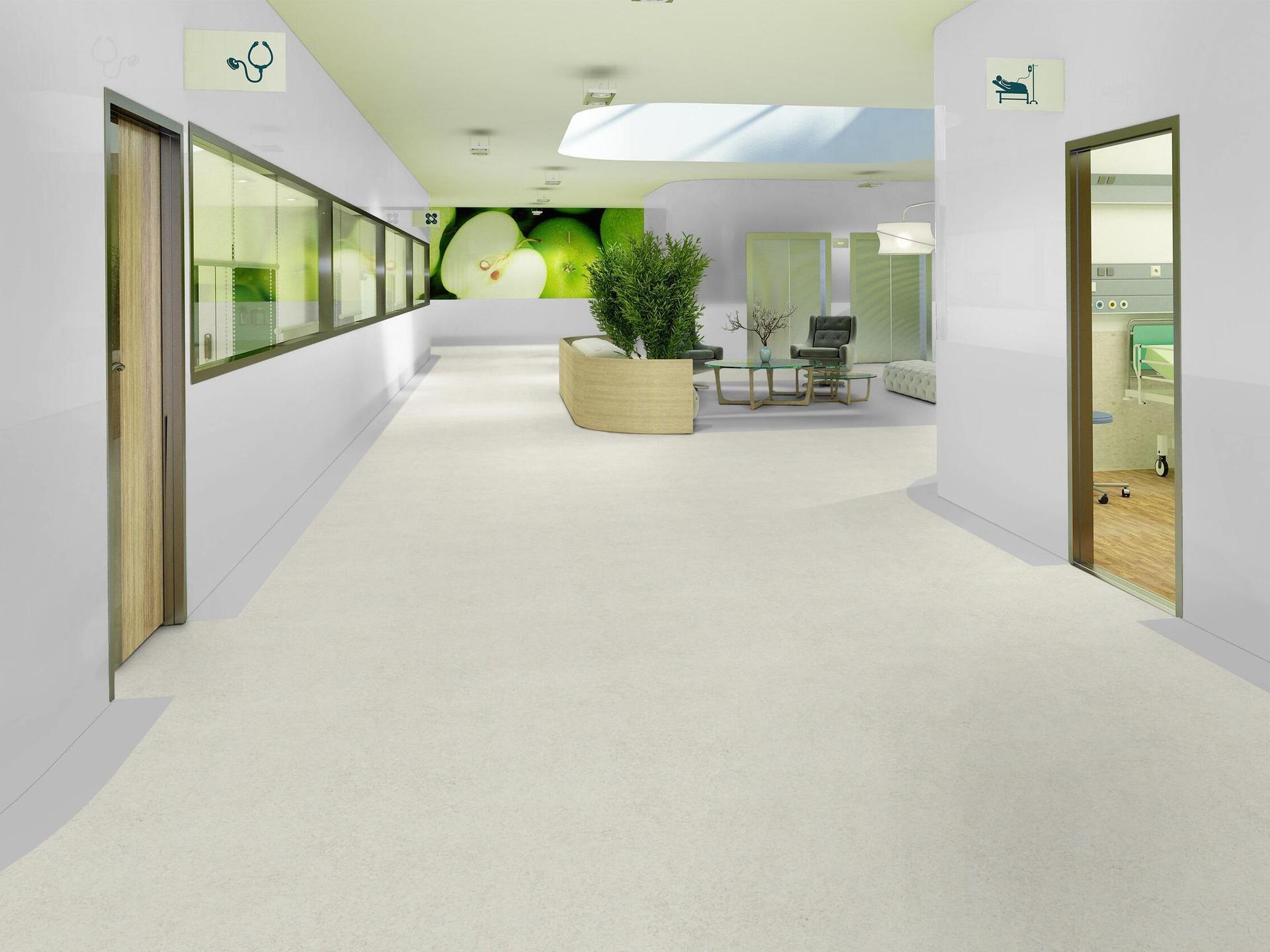
Why Acoustic Floors
Acoustic floors are resilient systems designed to lower impact noise (footfall, chair movement) and improve room comfort. They are widely specified for education, offices, healthcare admin, hospitality corridors and multi‑family housing where ΔLw targets are part of the brief or code.
Impact sound reduction
Resilient builds lower footfall and chair‑move noise by ≈14–19 dB ΔLw — critical in classrooms, corridors and MFH interiors.
Speech privacy
Lower reverberation in admin, meeting rooms and clinics — combine with acoustic ceilings for full‑room dB/RT targets.
Perceived comfort
Softer underfoot feel reduces fatigue in standing zones and improves user experience in occupied spaces.
Materials supply
We supply to B2B clients (distributors, contractors, developers, architects). We also offer professional installation, or use your own contractor per the system manual.
Acoustic Floors vs Standard Builds
Quick comparison — when acoustic targets are part of the brief, resilient acoustic builds materially outperform standard finishes.
Acoustic Resilient
- ΔLw: 14–19 dB+ reduction.
- Best for: classrooms, corridors, MFH, offices with acoustic targets.
- Notes: confirm ΔLw test method and adhesive/underlay specifics.
Standard Resilient
- ΔLw: ≤ 5 dB typical (no acoustic layer).
- Best for: general commercial where acoustics are not a driver.
- Notes: lower cost, broader colour range, simpler build‑up.
Carpet Tiles
- ΔLw: moderate–good (fibre + backing dependent).
- Best for: open‑plan offices, quiet zones.
- Notes: different maintenance regime; combine with resilient zones.
Sector‑Specific Guidance
Different sectors drive different ΔLw targets and traffic profiles. Here is how to specify the right acoustic build‑up by sector — so your project meets the brief the first time.
Education
Acoustic vinyl or LVT + underlay for classrooms and corridors; target higher ΔLw near libraries and music rooms. Specify Bfl‑s1 on egress routes.
Offices
LVT glue‑down + acoustic underlay for meeting spaces; carpet tiles in open plan; SPC with pad for fast refurbishments in occupied floors.
MFH (Apartments & Amenities)
Meet inter‑apartment targets using resilient layers; confirm structural test method (e.g., ISO vs local code). Coordinate with acoustic underlays in stairwells.
Logistics & B2B Supply
Materials supply with optional professional installation. Or use your own contractor/installer.
Order sizes:
Rolls, modular cartons, approved underlays & adhesives.
Lead times:
Stock vs made‑to‑order thickness/colours.
Docs:
Datasheets, DoP/DoC, ΔLw reports, EPD/LCA on request.
Samples:
Planks/tiles, roll chips, underlay sets.
Support:
Spec text, acoustic build‑ups, maintenance guides.
FAQ
Here you'll find answers to the most common questions about acoustic floors. If you don't see what you need, contact our team for project‑specific guidance.
01 What ΔLw value should we target for school corridors?
Many projects target ≈17–19 dB; confirm with local guidelines and your acoustic consultant.
02 Is click LVT with pad enough for offices?
For general offices, yes; for heavy castor traffic, prefer glue‑down LVT with an approved acoustic underlay.
03 Does acoustic flooring affect floor height build‑up?
Yes — allow for underlay thickness and plan thresholds accordingly.
04 Can acoustic vinyl be used with underfloor heating?
Typically yes within limits — verify max temperature and acclimatization protocol.
05 Do you provide installation?
We focus on materials supply, but we also offer professional flooring installation. Alternatively, use your own appointed contractor.
Ready to specify Acoustic Floors?
- Request Specs & Commercial Offer (target ΔLw, format, thickness, area m², timeline).
- Order Samples (finish + underlay set).

Products in this category
Tarkett
Acoustic comfort underlayer
Tarkett
Primo Acoustic
Tarkett
Ruby 70 Acoustic
Tarkett
Safetred Design Collection Acoustic
Tarkett
Safetred Universal Acoustic

Tarkett
Style Elle xf² Silencio - Acoustic 19dB
Tarkett
Style Emme xf² Silencio – Acoustic 19dB
Tarkett
Travel Line Acoustic
Tarkett
Veneto Acoustic Cork xf² 15dB (4.4mm)
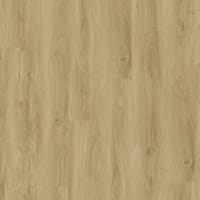
Tarkett
iD Comfort Acoustic
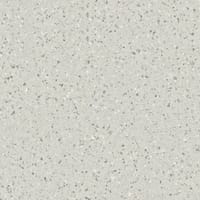
Tarkett
iQ Eminent Acoustic
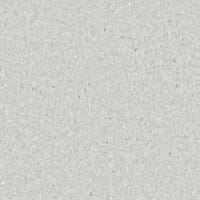
Tarkett
iQ GRANIT ACOUSTIC
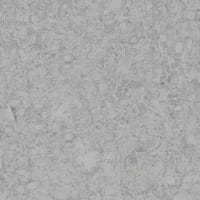
Tarkett
iQ Megalit Acoustic
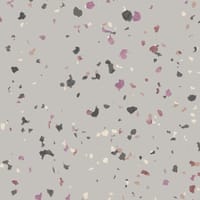
Tarkett
iQ Motion Acoustic
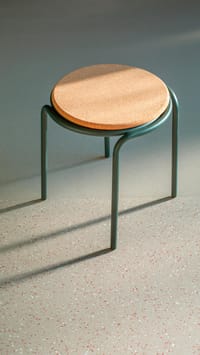
Tarkett
iQ Natural Acoustic
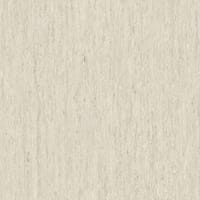
Tarkett
iQ Optima Acoustic
Tarkett
iQ Surface Acoustic